Place · Lazio
Villa d’Este, Tivoli
A Renaissance palace and hillside garden in Tivoli, renowned for its fountains and waterworks.
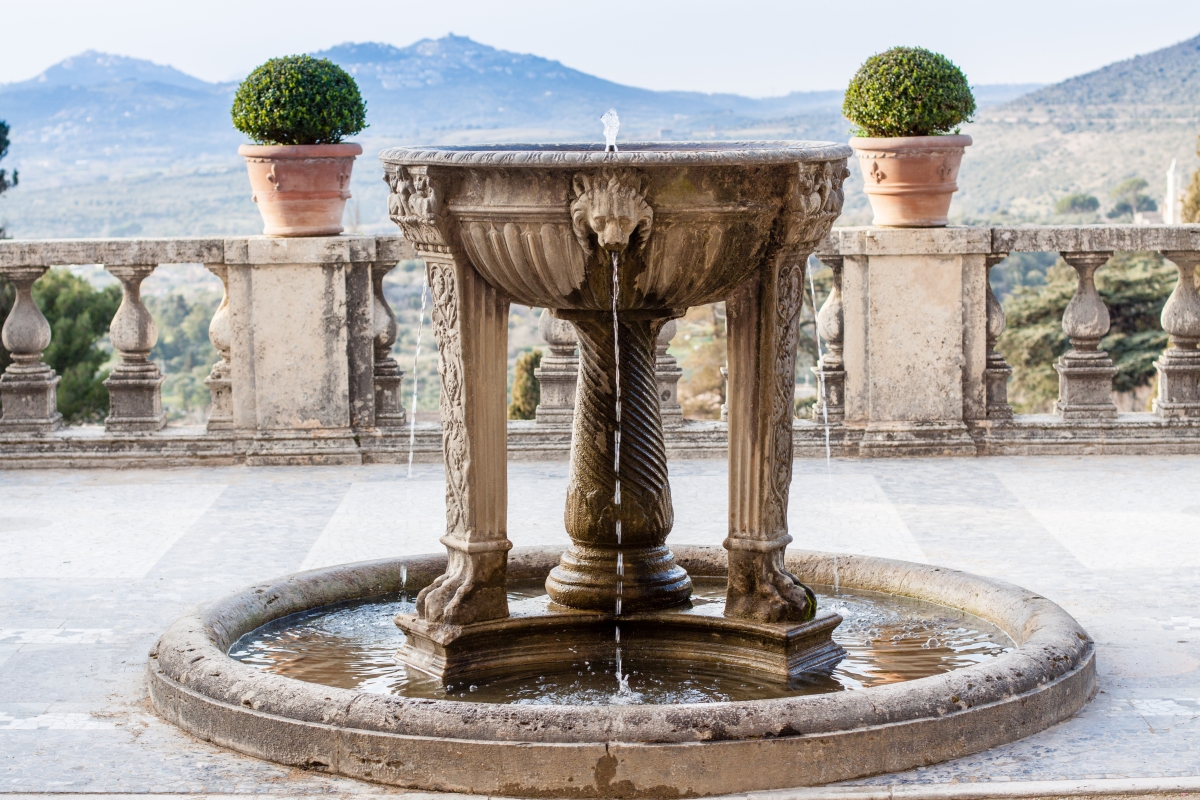
A Renaissance water garden
The UNESCO World Heritage Centre describes Villa d’Este as a 16th-century Italian garden and an influential example of Renaissance design. Cardinal Ippolito II d’Este commissioned the complex; Pirro Ligorio designed its palace and gardens.
Check the official seasonal timetable
Villae lists the site as open daily, with Monday opening from 14:00 and seasonal hours. It closes on 1 January and 25 December; fountain operation or visitor routes can change temporarily. Check the official visitor page before travelling. Booking and price are not summarized here.
Palace fountains and garden details
Explore the villa and its celebrated fountains.
Information checked against
- Villae — Villa d’Este official site and visitor information
- UNESCO World Heritage Centre — Villa d’Este, Tivoli
Information last checked: 21 November 2026
Loading the free account planner…
Share
More photos
Explore the area
More places and events to explore
These discoveries may be in the same region or nearby. Check distances, travel times and access before you go.
 Wknight94 · CC BY-SA 3.0
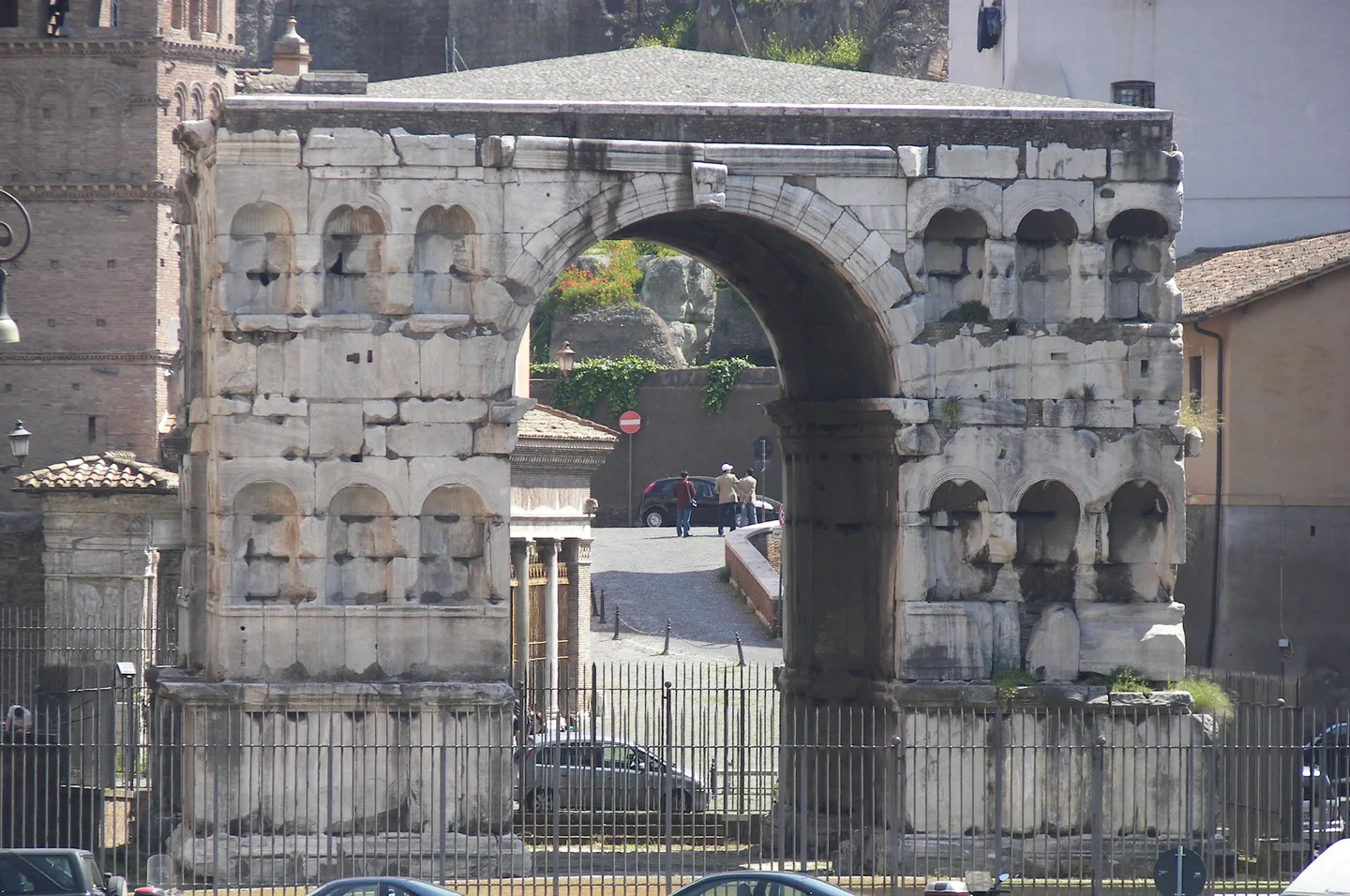
Marina Abramović: Confession in Rome
Rome
About 27 km straight-line
20 Nov 2026 – 19 May 2027 · Confirmed
Abramović’s project brings a gilded bronze donkey and video works into the Arch of Janus, inviting visitors into a space for reflection and listening.
Open in a new tab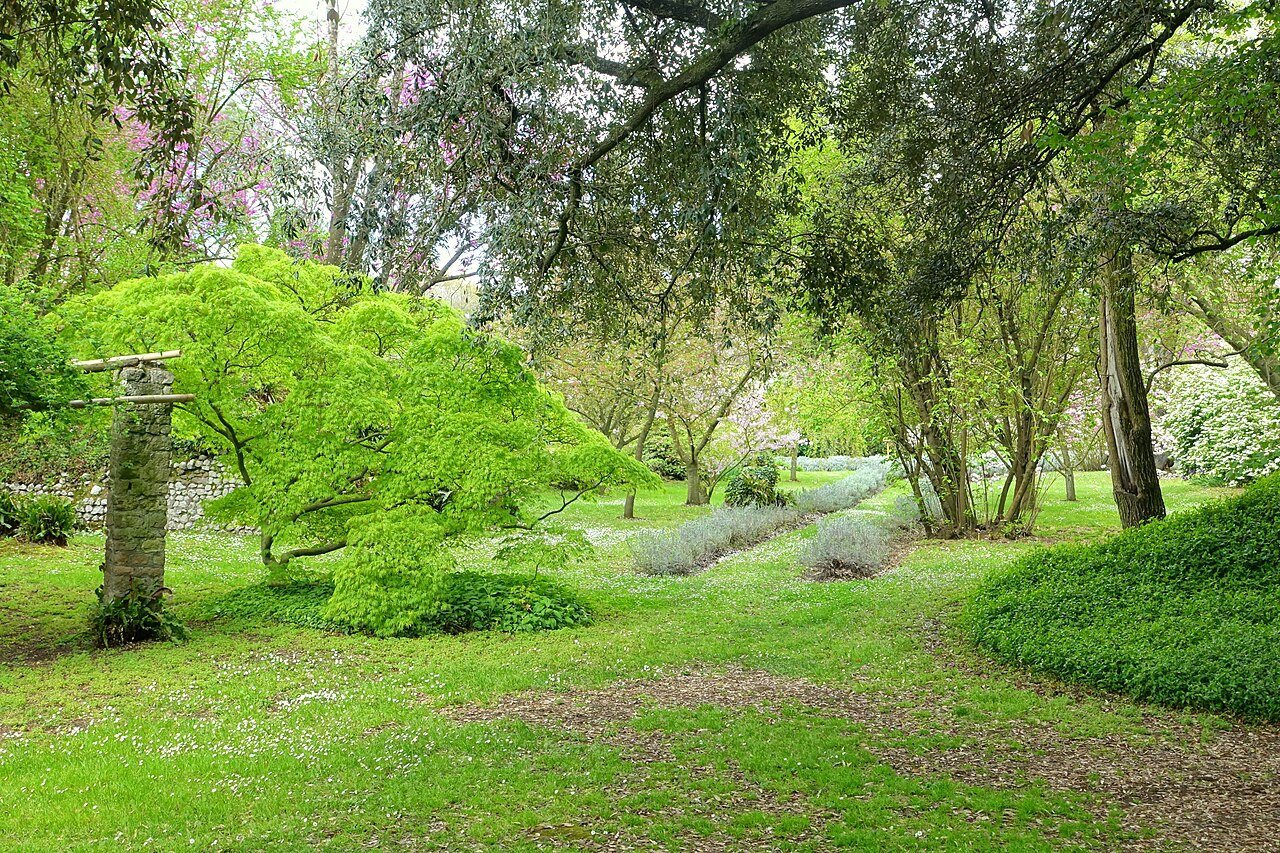 Daderot · CC0 1.0
The Garden of Ninfa
Cisterna di Latina
About 44 km straight-line
The garden grew around the remains of the medieval town of Ninfa. Streams, trees and old stonework make this a quiet place to explore on a guided visit.
Open in a new tab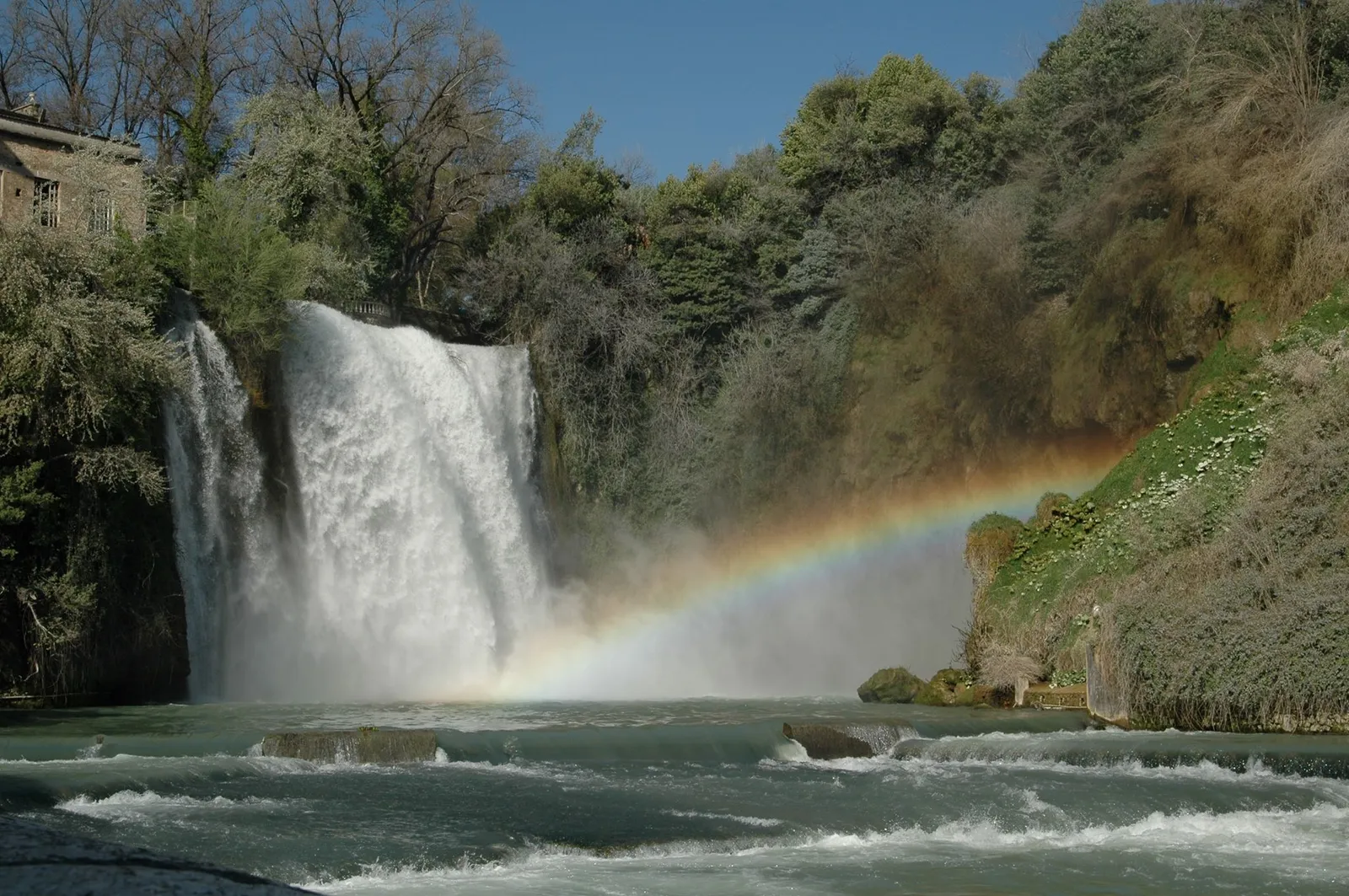 Piergiorgio Mariniello · CC BY-SA 3.0
Cascata Grande, Isola del Liri
Isola del Liri
About 72 km straight-line
The River Liri divides near the castle and forms two waterfalls: Cascata Grande and Cascata del Valcatoio. Cascata Grande falls beside the historic centre.
Open in a new tab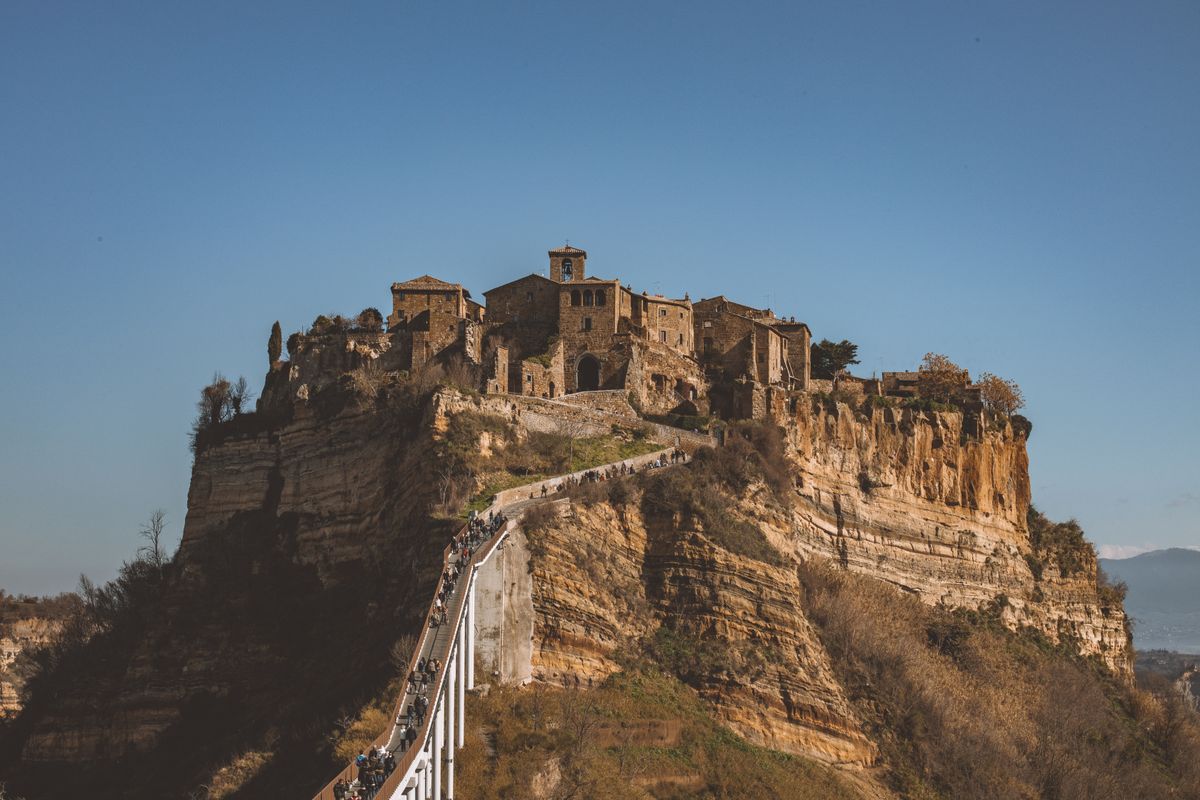 Andrea Mosti · Pexels License
Civita di Bagnoregio
Bagnoregio
About 93 km straight-line
A small hilltop village above the Valle dei Calanchi, reached by a pedestrian bridge from Bagnoregio.
Open in a new tab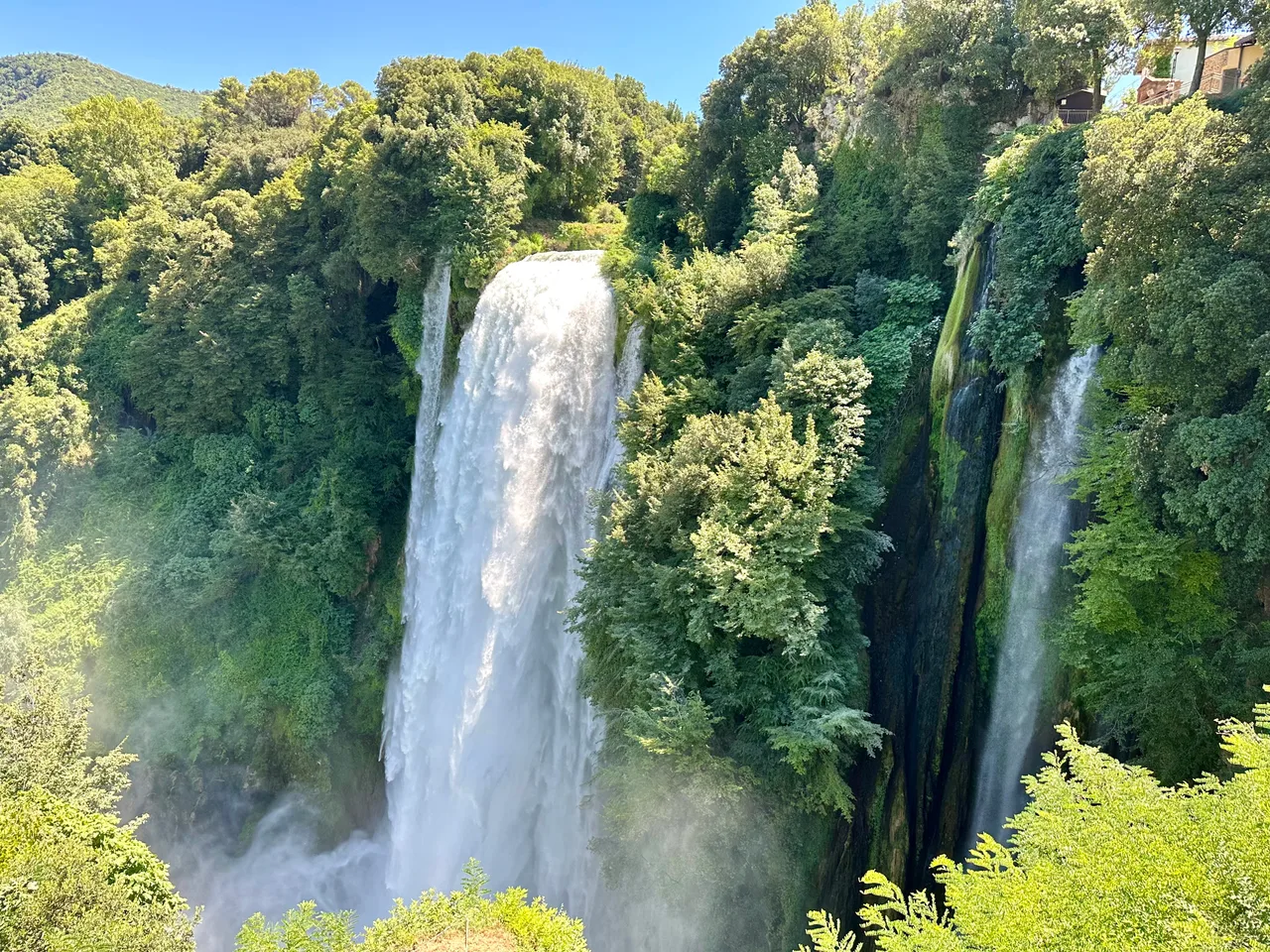 Francescaolivieri · CC BY-SA 4.0
Cascata delle Marmore, Terni
Terni
About 66 km straight-line
The Marmore Falls natural park near Terni offers views of the waterfall and surrounding woodland. Water flow is controlled and released according to a schedule.
Open in a new tab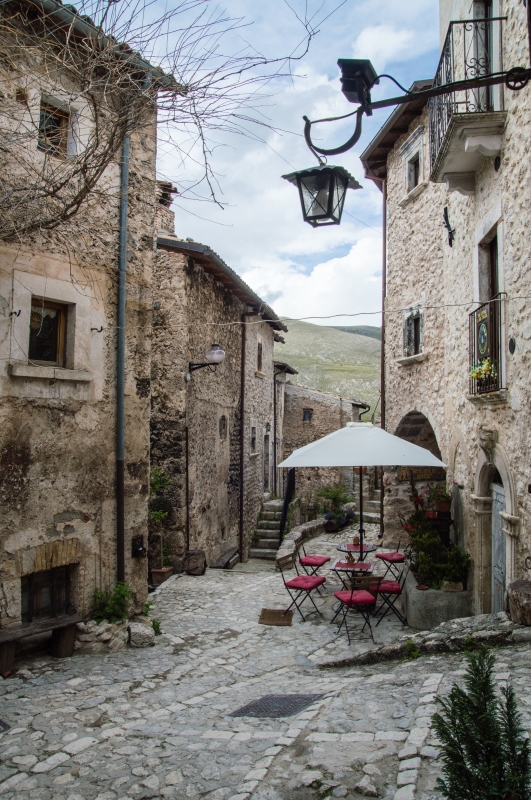 ENIT SpA · CC BY-SA 4.0
Sextantio Albergo Diffuso, Santo Stefano di Sessanio
Santo Stefano di Sessanio
About 82 km straight-line
Sextantio describes its Albergo Diffuso as a cultural restoration project in Santo Stefano di Sessanio and lists rooms and suites across the village rather than in one hotel block. Italia.it identifies the settlement as a fortified medieval village in the Gran Sasso area.
Open in a new tabPicked from this discovery
You may also like
More places and events you might enjoy.
 ENIT SpA · CC BY-SA 4.0
Abbey of San Galgano and Hermitage of Montesiepi
Chiusdino
Tuscany
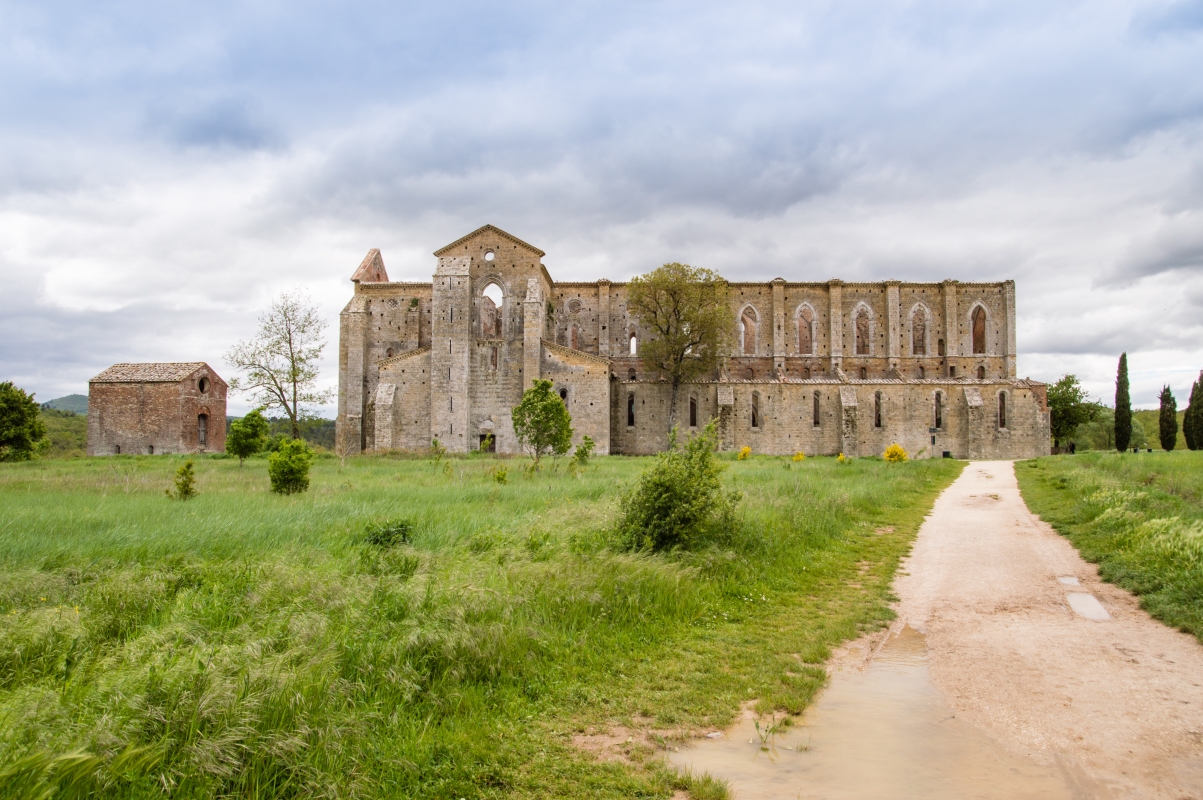
The Comune describes the Eremo of Montesiepi and the Abbey of San Galgano as one of Chiusdino's principal religious-monumental complexes. The round hermitage preserves the local tradition of the sword in the stone.
Open in a new tab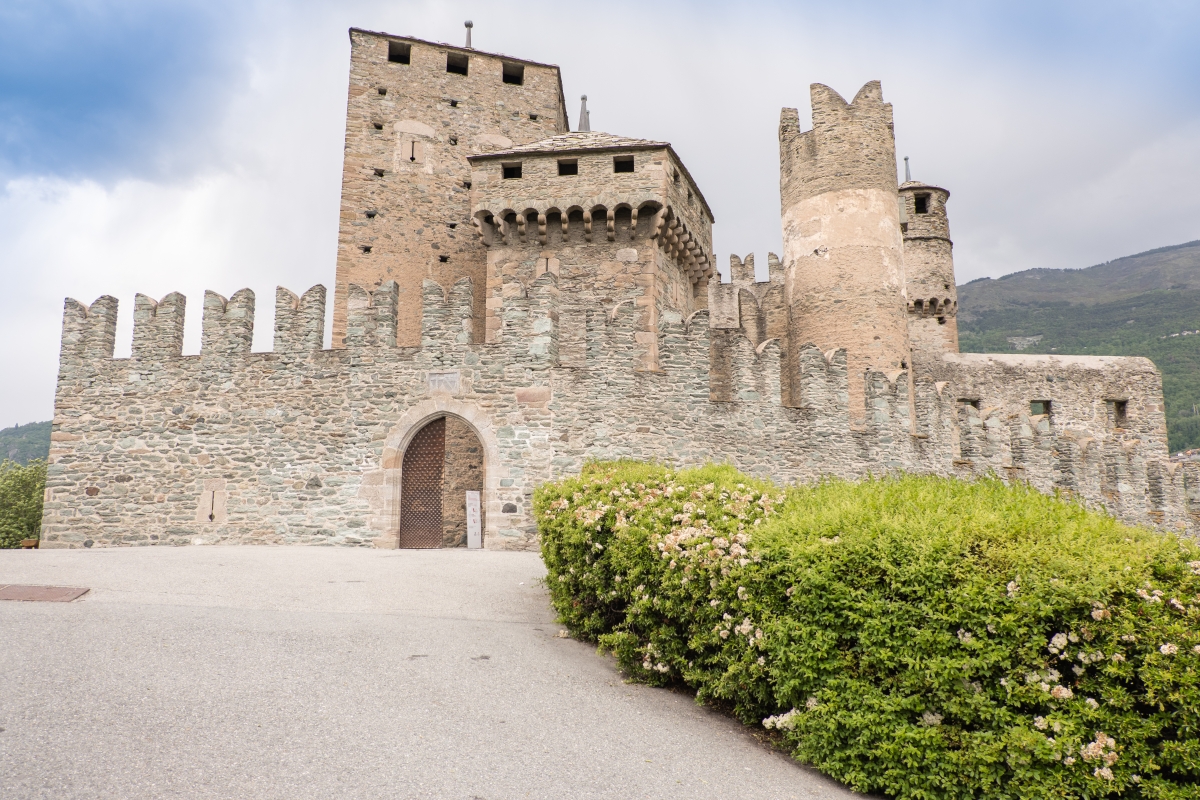 ENIT SpA · CC BY-SA 4.0
Castello di Fénis
Fénis
Aosta Valley
Valle d'Aosta's tourism authority describes the castle as both a fortified site and a noble residence, with defensive structures and painted decoration commissioned by leading members of the Challant family.
Open in a new tab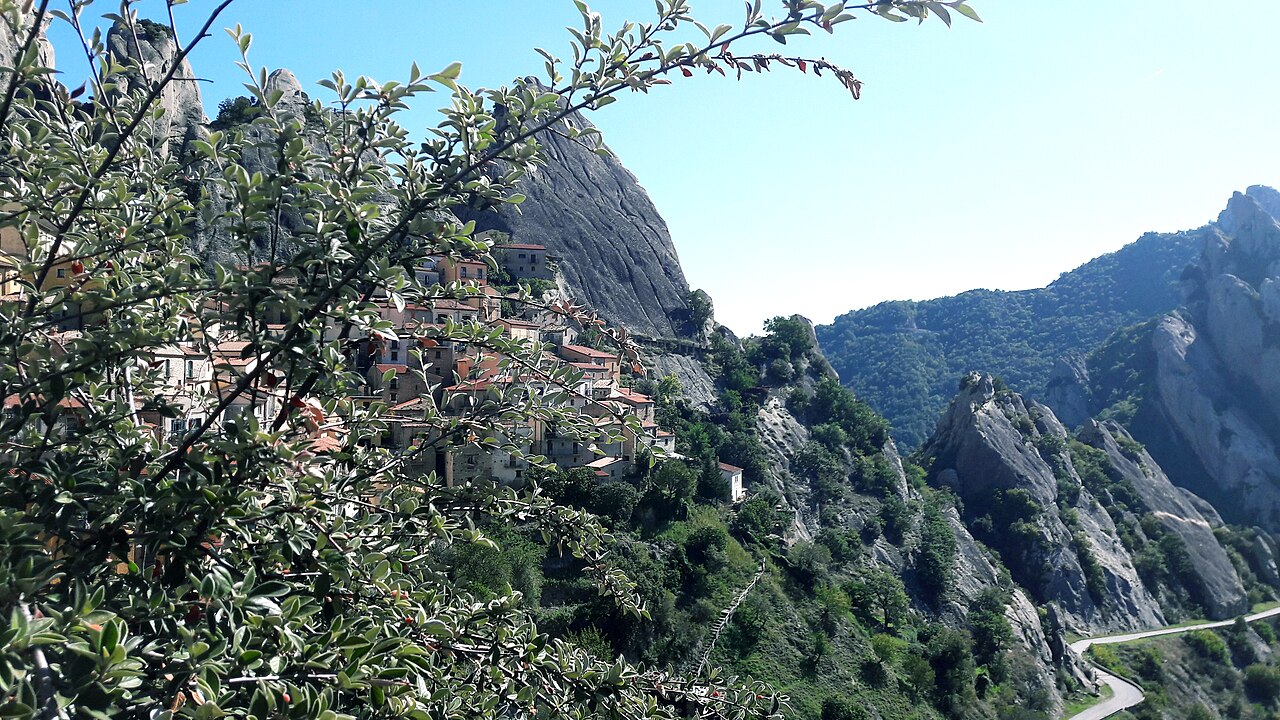 DinaBenedettoFerrandina · CC BY-SA 4.0
Castelmezzano and Pietrapertosa
Castelmezzano and Pietrapertosa
Basilicata
The regional tourism authority locates Castelmezzano beside Pietrapertosa within the Gallipoli Cognato and Lucanian Dolomites Regional Park. The landscape and the two settlements form the basis of this area listing.
Open in a new tab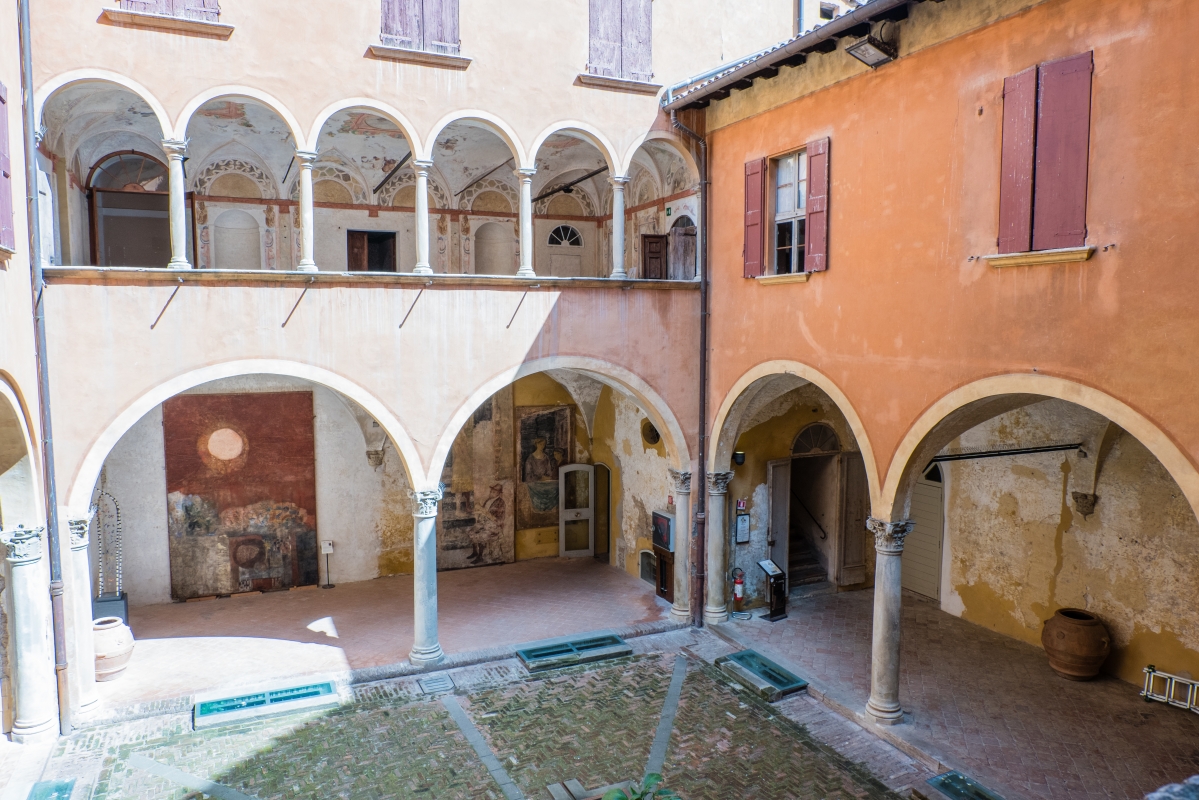 ENIT SpA · CC BY-SA 4.0
Dozza and Rocca Sforzesca
Dozza
Emilia-Romagna
Dozza's old centre rises around the Rocca Sforzesca. The Comune traces the town's walls to the 11th century and the present Rocca to its late-15th-century rebuilding for Caterina Sforza.
Open in a new tab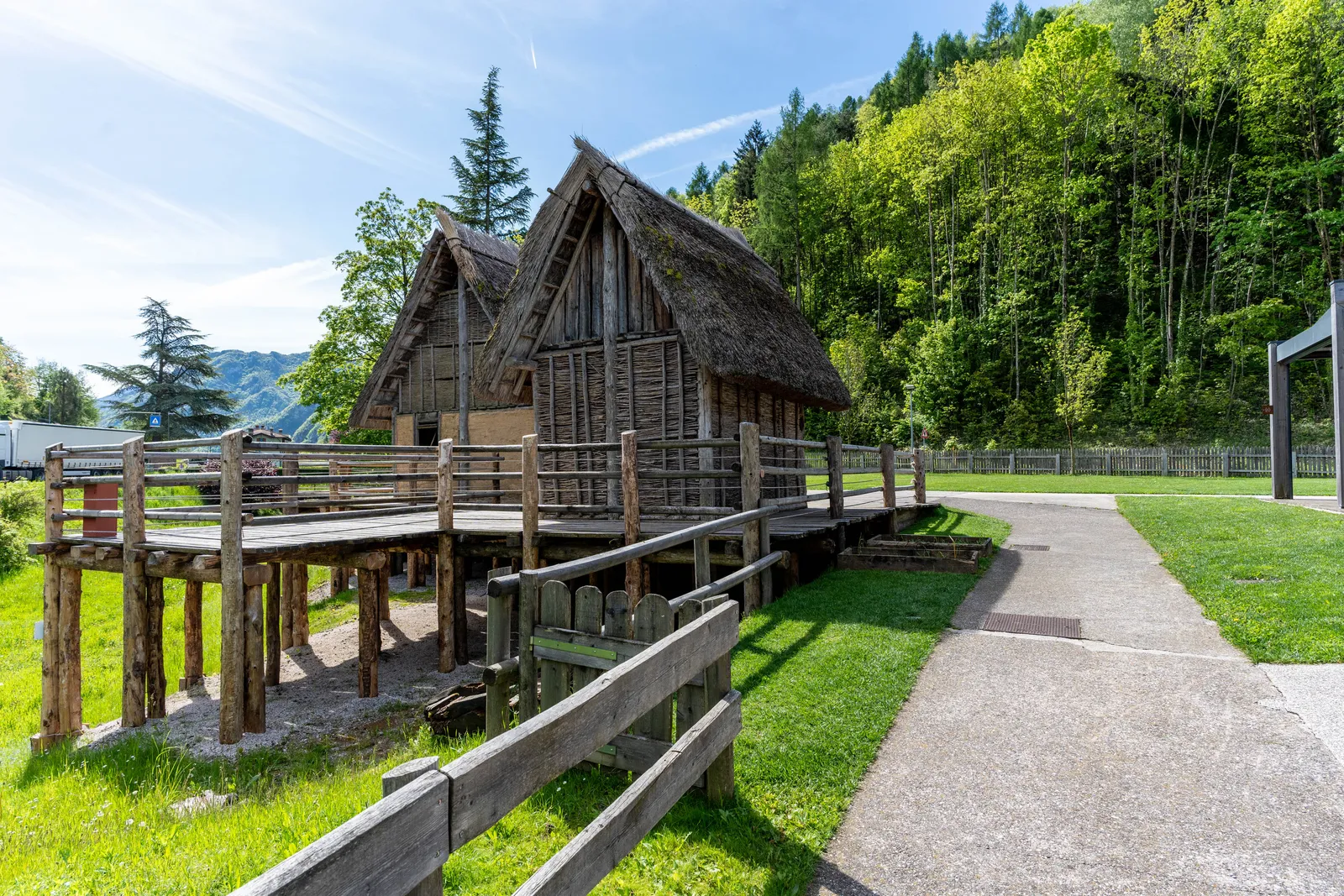 Matteo De Stefano / Archivio MUSE · CC BY-SA 4.0
Lake Ledro Pile Dwelling Museum
Ledro
Trentino-Alto Adige
The museum is built around the remains of a Bronze Age settlement discovered in 1929. Visitors can see archaeological finds, reconstructed dwellings and the site by the lake. It forms part of the UNESCO-listed Prehistoric Pile Dwellings around the Alps.
Open in a new tab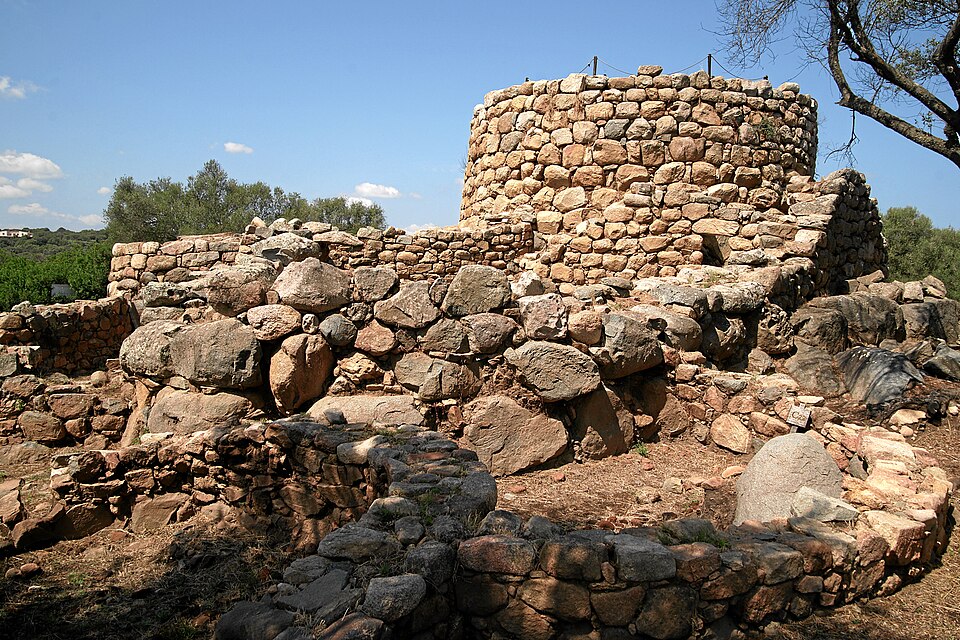 Mboesch · CC BY-SA 4.0
Nuraghe La Prisgiona
Arzachena
Sardinia
A stone tower stands among the remains of a Nuragic village in the Capichera area near Arzachena.
Open in a new tabThinking of making Italy part of your future?
If you’re thinking about more than a visit, explore what living, buying or building in Italy could involve. The Opportunity Map brings together property, relocation, business and funding opportunities.
The map is not available to buy yet. Leave your email and we’ll let you know when it opens.